
Dominic's Digital Twin: How We Make Governance in AI Systems Explicit

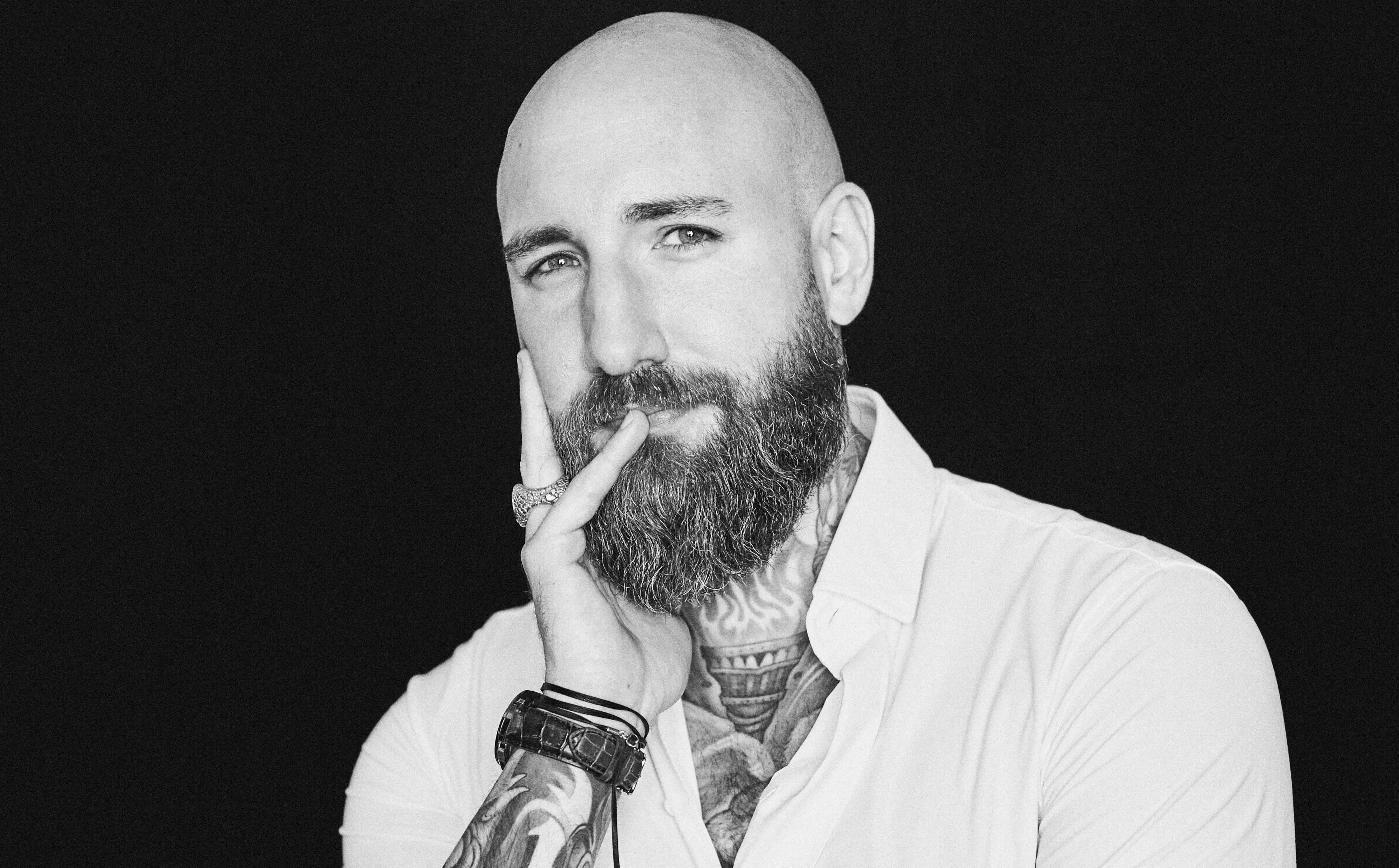
Dominic's Digital Twin: How We Make Governance in AI Systems Explicit
A digital leadership twin is not a copy of the CEO. It is an attempt to make values, priorities, and decision-making logic accessible in a way that both humans and AI agents can work with.

Many people talk about AI agents as if automation were the main issue. The most important question, however, is: Who provides guidance to these systems?
That is exactly why we at Leaders of AI are currently building a digital twin of Dominic. Not to replace the CEO, but to make leadership logic explicit.
It's not about the person, but about the logic
At first glance, a digital twin seems like a copy. An AI speaks like a specific person, uses similar phrasing, knows their preferences, and can provide typical responses.
Things get interesting when such an agent can do more than just imitate a style: namely, when they make values, priorities, and decision-making principles accessible in a way that others can work with.
For us, that is the crux of the matter: A digital leadership twin is neither a PR stunt nor a science fiction concept. It is a guidance system for hybrid organizations.
Why we built such an agent in the first place
Dominic is always on the go: on stage, in meetings, traveling, and in external discussions. At the same time, our team has long since expanded to include not only people but also a large number of specialized AI agents working on very specific tasks.
In an organization like this, it is not enough for leadership principles to exist only in the minds of a few individuals. When people and agents work more independently, clearer guidelines are needed: How are decisions made? What values take precedence in the event of a conflict? What is the priority?
That is exactly why we developed a digital twin.
His role is not to make final decisions. His role is to provide guidance—to the people on the team and, in the future, to our AI agents as well.
What this Twin is really all about
The foundation is not some artificial persona floating in a vacuum. The foundation is a refined leadership philosophy.
For us, this primarily involves four areas:
- Values
- Positioning
- Leadership Principles
- Personality Profile
It is particularly important to note that values only work when they are prioritized. It is only when conflicts arise that we see whether they truly guide our actions. For example, when speed conflicts with trust, it must be clear which takes precedence.
It is these priorities that make the leadership twin truly useful. Not because it then appears more “human,” but because it becomes capable of connecting with others.
Leadership must be accessible, not automated
Perhaps the most important point regarding this topic is a misunderstanding that we want to avoid at all costs: This is not about replacing the CEO.
On the contrary: ultimate responsibility always lies with human beings.
But the more AI agents are integrated into organizations, the more important it becomes not only to embody leadership but also to make it systematically accessible. Otherwise, it remains implicit, difficult to verify, and of little use to teams or agents.
A digital twin is therefore not an authority. It is a documented guide.
What companies can learn from this
The more agent-driven organizations become, the less sufficient it is to simply build skills, prompts, and tools. Cultural and strategic guidelines are also needed.
The question we ask ourselves is: What principles should this digital twin follow?
Anyone who fails to answer this question will not build a strong AI organization. They will create ambiguity.
Conclusion
The digital twin is only superficially a copy. In reality, it is an organizational signal.
He shows that the next stage of AI leadership begins when values, priorities, and decision-making principles are documented in a way that allows humans and agents to work with them.
Not as a substitute for responsibility, but as a prerequisite for guidance.