
Why We Failed Despite €1 Million Per Capita—and What That Reveals About the Limits of AI in Businesses

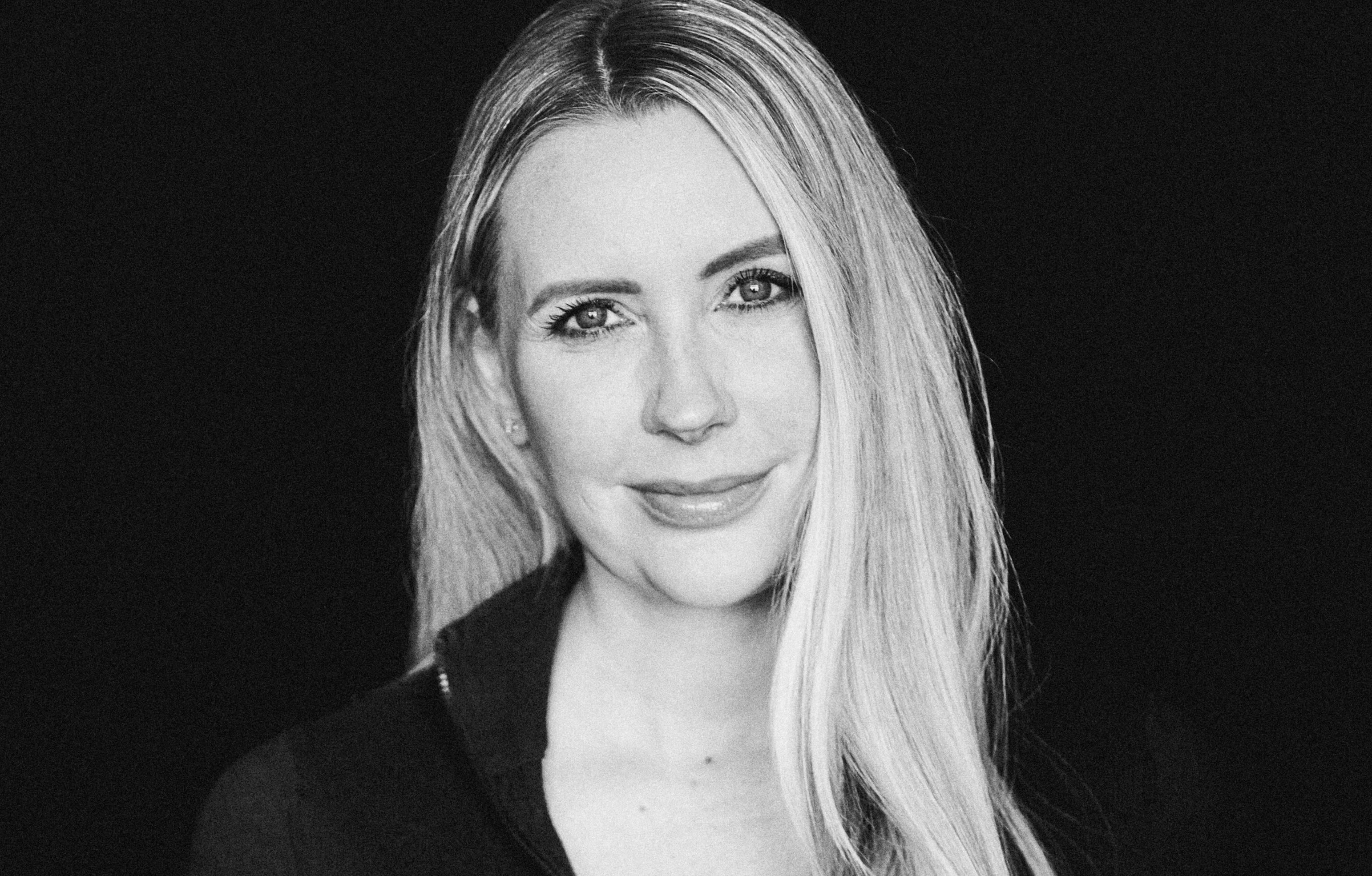
The six of us were sitting in our office, looking at the year’s figures, feeling immensely proud—and, to be honest, a bit overwhelmed. Over a million euros in revenue per person. With six full-time employees, and that in just our second year. A research lab designed to prove that you can build a scalable business using AI and a team of no more than seven people.
And then Philipp (then CRO, now CFO) said the words that changed everything: "We have seven or eight research projects running in parallel, all of which are important. Two of them would be enough to start a company of their own. And we're barely managing to keep day-to-day operations separate from the process work."
At that moment, it dawned on us: our biggest experiment was in danger of failing.

The idea: Never more than seven people
Leaders of AI launched with a clear mission: We will grow exclusively through AI. We will never have more than seven employees. We want to test when these structures break down. We are a research lab for the organization of the future.
In 2024, we had three full-time positions, held by three people.
In 2025, we had six full-time positions, held by seven people.
And in 2026? We now have ten full-time positions, shared among twelve people.
The barrier has been broken. And we're talking openly about why.
The moment of truth: When the per capita figure dropped
By the end of 2025, we had crossed the magic threshold: over one million euros in revenue per person. That sounds like a success. And it was. But it was also the moment when we realized: AI isn’t our bottleneck. It’s our processes and the need to explicitly define quality requirements.
We started from scratch. That makes a lot of things easier. But we also lack the proven data and the practical knowledge that comes from a business that has grown over decades. We had no templates for forecasts, no established dashboards for cash flow management, and no clear definition of roles across all departments.
And then came the sales boom. We grew rapidly. Suddenly, we had several major research projects running simultaneously. We realized that we couldn’t manage day-to-day operations and scrutinize all our processes at the same time. We needed people who would focus exclusively on specific areas —not generalists who dabbled in everything, but roles with a clear focus.
What we've learned: Where AI reaches its limits
The realization was harsh but important: AI is capable of a great deal. But it cannot design processes that do not yet exist. It cannot provide strategic guidance when the framework conditions are unclear. It cannot articulate quality requirements that lie implicitly in the minds of generalists.
In practical terms, this meant for us:
Finance We now need a dedicated finance role—someone who can oversee and strategically manage revenue forecasts, budget planning, and cash flow management. Working alongside AI, but with the deep expertise required to operate at this scale.
Operations We need an operations role dedicated solely to infrastructure and scalability. One that supports all departments in getting their processes on track. One that lays the foundation upon which AI can then operate.
Organizational Development We are moving away from a traditional organizational chart toward a network-based approach. Holacracy—an organizational model in which teams (Circles) govern themselves rather than being managed from above. Circles instead of hierarchies. Circle Leads instead of managers. People and AI in roles that break down knowledge silos and make work more effective.

To handle all of this, we’ve brought in people with experience—people with a McKinsey background, experience with mid-sized companies, and experience leading their own organizations. Because we’ve realized that we can’t replace this deep expertise with AI. Not yet.
The New Approach: From Generalist to Specialist
Our next offsite in April 2026 will be marked by one key change: we’re completely overhauling the way we work. We ’re moving away from the traditional organizational chart and toward network structures. We’ll organize ourselves into circles. Each circle will include both people and AI. Every role will have a clear focus. And we’ll be experimenting with how this approach can help us respond more quickly to market dynamics.
This isn't a failure of the experiment. It's the next phase of the experiment.
We have learned:
- There are times when generalists can achieve a great deal with AI. And there are times when specialized roles are needed to generate economies of scale.
- AI is a lever. But a lever needs a fulcrum. And that fulcrum consists of clear processes, explicit quality requirements, and strategic thinking.
- Starting from scratch has both advantages and disadvantages. You can rethink everything. But you also have to rethink everything.
Why We Will Continue to Be Transparent
It is extremely important to us to continue communicating openly. Even if we have to adjust the boundaries we’ve set for ourselves. Even if we have to admit that we were wrong. Because that is precisely what makes us a reputable research laboratory.
We could just jump on the bandwagon. We could say, "Look, we do everything with AI!" But that would be a lie. And it would be dangerous. Because it would lead other organizations to believe that all they have to do is implement AI, and everything will just fall into place.
The truth is more complex. And the truth is more important.
That’s why we share what we’ve learned. In our newsletter. On LinkedIn. On Instagram. In expert talks within our community, where we showcase our frameworks. Where we’re transparent about what works and what doesn’t.
Because failure is part of the process. Always. If you want to push the boundaries, you have to constantly question yourself. Otherwise, you’re just chasing an idea that sounds good.
What does this mean for your business?
Many companies are facing the same question: How many more people do we need if AI is capable of doing more and more? Our answer, after two years of research: It depends.
It depends on how clear your processes are. How explicit your quality requirements are. How strategically you manage. How well your organization is able to externalize knowledge.
Three questions you should ask yourself right now:
- Are your processes detailed enough for AI to build upon them? Or is that knowledge still locked away in the minds of individual people?
- Do you have roles with a clear focus, or is everyone still doing a little bit of everything? Generalists are invaluable in the early stages. But at a certain point, they start to hinder scaling.
- When was the last time you really took a hard look at your organizational structure? Not optimized it—I mean, really took a hard look at it.
When you start from scratch, you can achieve a great deal with a small team and a lot of AI. But at a certain point, you need different structures: defined roles, deep expertise, and processes that use AI as a tool but cannot be replaced by it.
If you work for an established company, you have the advantage of drawing on past experience. But you also face the disadvantage of entrenched structures that are often difficult to change.
The truth lies somewhere in between. And the truth changes with every stage of your growth.
We didn't fail. We learned.
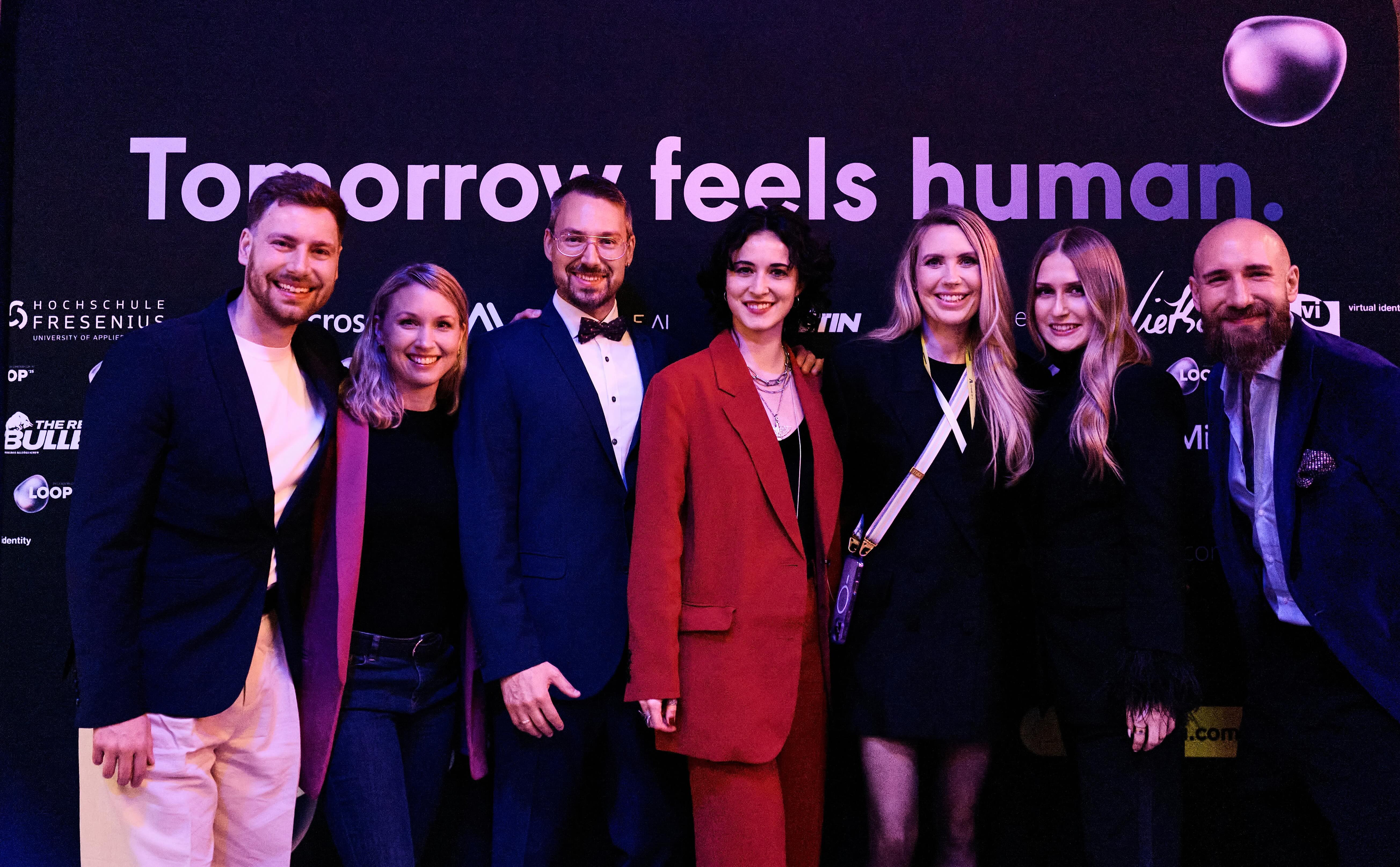
Did our experiment fail? Yes and no.
Yes, because we’ve crossed the threshold of seven people. Because we had to admit that AI alone isn’t enough. No, because that’s exactly what we wanted to find out. When do structures break down? What can AI accomplish? Where is human input still needed?
And the answer is: People remain indispensable when it comes to designing processes that don’t yet exist. When it comes to providing strategic guidance in the face of uncertainty. When it comes to making explicit the quality that lies implicitly in people’s minds. AI is not a replacement for people. AI is the lever that empowers people to achieve more. But only if the structures are right. Only if processes are clear. Only if roles are defined.
That’s what we’ve learned after two years. And that’s why there are now ten of us. Not because we failed. But because we learned.
And the experiment? It continues. Tomorrow is human.
We’ll openly share what we learn along the way with you—through our programs and our community. For leaders who want to take action now.
Want to know which of our AI programs is right for you?
Master of Business and AI (MBAI): For executives and decision-makers who want to drive AI transformation at the enterprise level.
AI Integration Expert: For anyone who wants to integrate AI into their daily work and organization.
Both programs start exactly where AI serves as a lever: clarifying processes, defining roles, and leveraging AI.
Which one fits your situation? Take the quiz and find out in two minutes.